Journal
Menopause in the Caribbean: A Modern Woman’s Guide for 2026
August 13, 2026 · 6 min read
Last updated
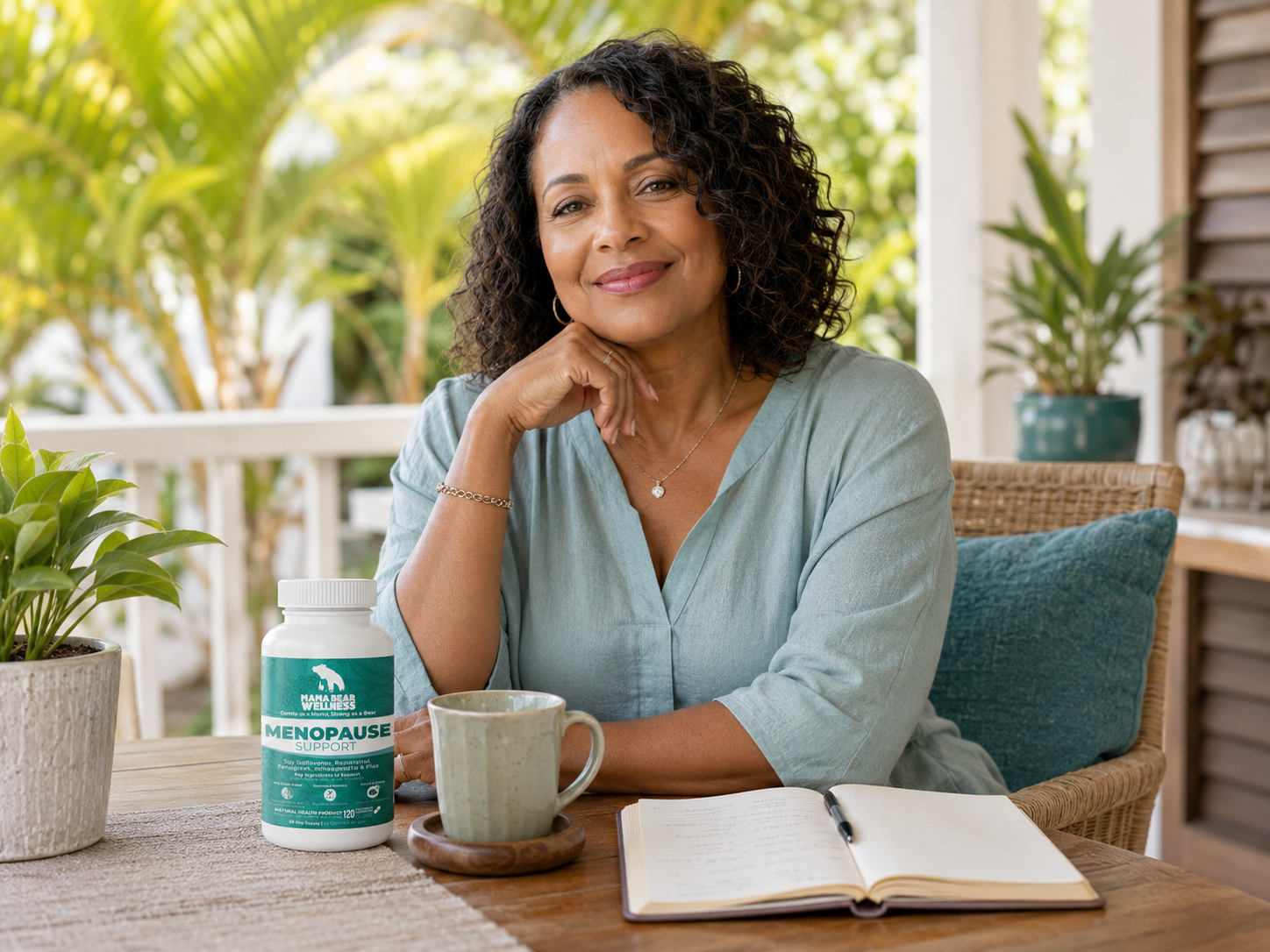
For many Caribbean women, menopause can arrive at an already demanding stage of life.
You may be managing work, family, children, ageing parents, and everything else that comes with your 40s and 50s. Then your body starts changing too.
Your period becomes unpredictable. You wake up sweating at night. Sleep feels lighter. Your patience feels shorter. You may notice brain fog, weight changes, anxiety, or changes in your sex drive.
And when you live in the Caribbean, a hot flash in the middle of a humid afternoon can feel especially cruel.
The good news is that menopause is finally being discussed more openly and more seriously.
Menopause Starts Before Your Period Stops
Menopause is officially reached after 12 consecutive months without a menstrual period, assuming there is no other medical cause.
But symptoms often begin years before that.
This transition is known as perimenopause, and it usually involves changing levels of estrogen and progesterone.
That is why you can still be having periods while experiencing:
hot flashes
night sweats
sleep problems
mood changes
anxiety or irritability
brain fog
vaginal dryness
changes in sexual desire
joint discomfort
weight or body composition changes
irregular periods
Some women experience only mild changes. Others find that symptoms interfere with work, relationships, and everyday life.
There is no single menopause experience.
Caribbean Food Is Not the Problem
One of the most common reactions to midlife weight gain is to start cutting out everything.
Rice. Roti. Fruit. Ground provisions. Carbohydrates altogether.
That usually is not necessary.
Menopause does not mean abandoning Caribbean food. It means being more intentional about it.
A more realistic approach is to focus on:
protein with meals
more vegetables and fibre
reasonable portions
fewer heavily processed foods
less excess sugar
regular physical activity
adequate hydration
Strength training becomes particularly important during this stage because women naturally begin losing muscle mass with age.
Protecting muscle can support strength, metabolism, mobility, and long-term independence.
The goal should not simply be to weigh less.
The goal should be to remain strong.
Sleep Can Make Everything Feel Worse
A woman experiencing menopause may also be dealing with months of poor sleep.
Night sweats can wake you up repeatedly. Anxiety can make it harder to fall asleep. Hormonal changes can affect sleep quality.
Then poor sleep affects appetite, mood, concentration, and energy.
Keeping your bedroom cool, reducing caffeine later in the day, limiting alcohol if it affects your sleep, and maintaining a consistent sleep schedule can help.
If insomnia is persistent, it is worth discussing with a healthcare professional rather than simply accepting it as part of getting older.
Hot Flashes Are Common, but You Have Options
Hot flashes and night sweats are among the most recognised symptoms of menopause.
Hormone therapy remains one of the most effective treatments for bothersome menopausal hot flashes and night sweats in women for whom it is medically appropriate.
There are also non-hormonal prescription options.
This is important because menopause care does not need to become a choice between "natural" and "medical."
Some women may use lifestyle changes. Some may choose hormone therapy. Others may use non-hormonal treatments, nutritional support, or a combination of approaches.
The best approach depends on your symptoms, health history, and personal preferences.
Where Can Nutritional Support Fit In?
Supplements are not a replacement for proper medical care, but certain nutrients and botanical ingredients are commonly used as part of a broader menopause wellness routine.
Soy isoflavones, for example, have been studied for their potential role in supporting women experiencing menopausal symptoms. Research is mixed, but some studies suggest modest benefits for certain women.
Ashwagandha has also attracted interest for its potential role in supporting stress, mood, and sleep, all areas that may become more difficult during menopause.
Vitamin D deserves particular attention because bone health becomes increasingly important as estrogen levels decline.
Mama Bear Wellness Menopause Support combines these ingredients with other botanical extracts, including fenugreek, resveratrol and maritime pine bark, in a formula designed to provide nutritional support during the menopausal transition.
The important word here is support.
Supplements should form part of a wider approach that includes good nutrition, exercise, sleep, medical care and regular health screening.
Bone Health Matters Earlier Than Most Women Think
Bone loss can accelerate after menopause as estrogen levels decline.
That means bone health should not be something you start thinking about in your 60s.
Midlife is the time to become more intentional about:
resistance training
adequate protein
calcium intake
vitamin D status
maintaining a healthy level of physical activity
Women with additional risk factors for osteoporosis should speak with their doctor about whether bone-density testing is appropriate.
What you do in your 40s and 50s can affect how strong and mobile you remain later in life.
Do Not Ignore Sexual and Vaginal Health
This is still one of the least openly discussed parts of menopause.
Lower estrogen levels can cause vaginal dryness, reduced lubrication, discomfort during sex, and urinary symptoms.
These changes are common, but they are not something women have to tolerate.
There are effective treatment options, including vaginal moisturisers, lubricants and prescription therapies.
If sex becomes painful or you begin experiencing new vaginal or urinary symptoms, speak with a healthcare professional.
What About Brain Fog and Mood Changes?
Many women describe forgetting words, losing their train of thought, or walking into a room and forgetting why they went there.
Sleep disruption, stress and hormonal changes can all contribute.
Mood changes can also become more noticeable, including anxiety, irritability or feeling emotionally different from usual.
These symptoms can be part of the menopausal transition, but severe or persistent depression, anxiety or memory problems should always be properly assessed.
Not everything that happens in your 40s should automatically be blamed on hormones.
Your 40s and 50s Are Not the Beginning of the End
Menopause has traditionally been discussed in terms of what women are losing.
Fertility. Youth. Regular periods.
That is a very narrow view of what can still be several decades of life.
For many Caribbean women, their 40s and 50s are also years of greater confidence, career growth, stronger relationships and a clearer understanding of what matters to them.
Your body is changing.
That means your approach to health may need to change too.
Pay attention to your sleep.
Know your blood pressure, blood sugar, and cholesterol.
Protect your muscle and bone health.
Eat well without becoming afraid of food.
Talk openly about sexual health.
And if symptoms are affecting your quality of life, ask for help.
You do not have to suffer quietly to prove that you can handle menopause.
A Better Menopause Conversation for Caribbean Women
In 2026, menopause deserves to be discussed openly as a normal but important stage of women's health.
Caribbean women need access to clear information about hormone therapy, nutrition, exercise, sleep, mental wellbeing, sexual health, and nutritional support.
At Mama Bear Wellness, we believe women should be able to understand their options without hype or fear.
Our Menopause Support formula is designed to complement a broader wellness approach with ingredients including soy isoflavones, ashwagandha, fenugreek, resveratrol, maritime pine bark and vitamin D3.
Menopause is not just about managing hot flashes.
It is about protecting your health, strength, and quality of life for the years ahead.