
Journal
Ozempic and PCOS: Why Women Are Suddenly Talking About GLP-1 Drugs
August 13, 2026 · 6 min read
Last updated
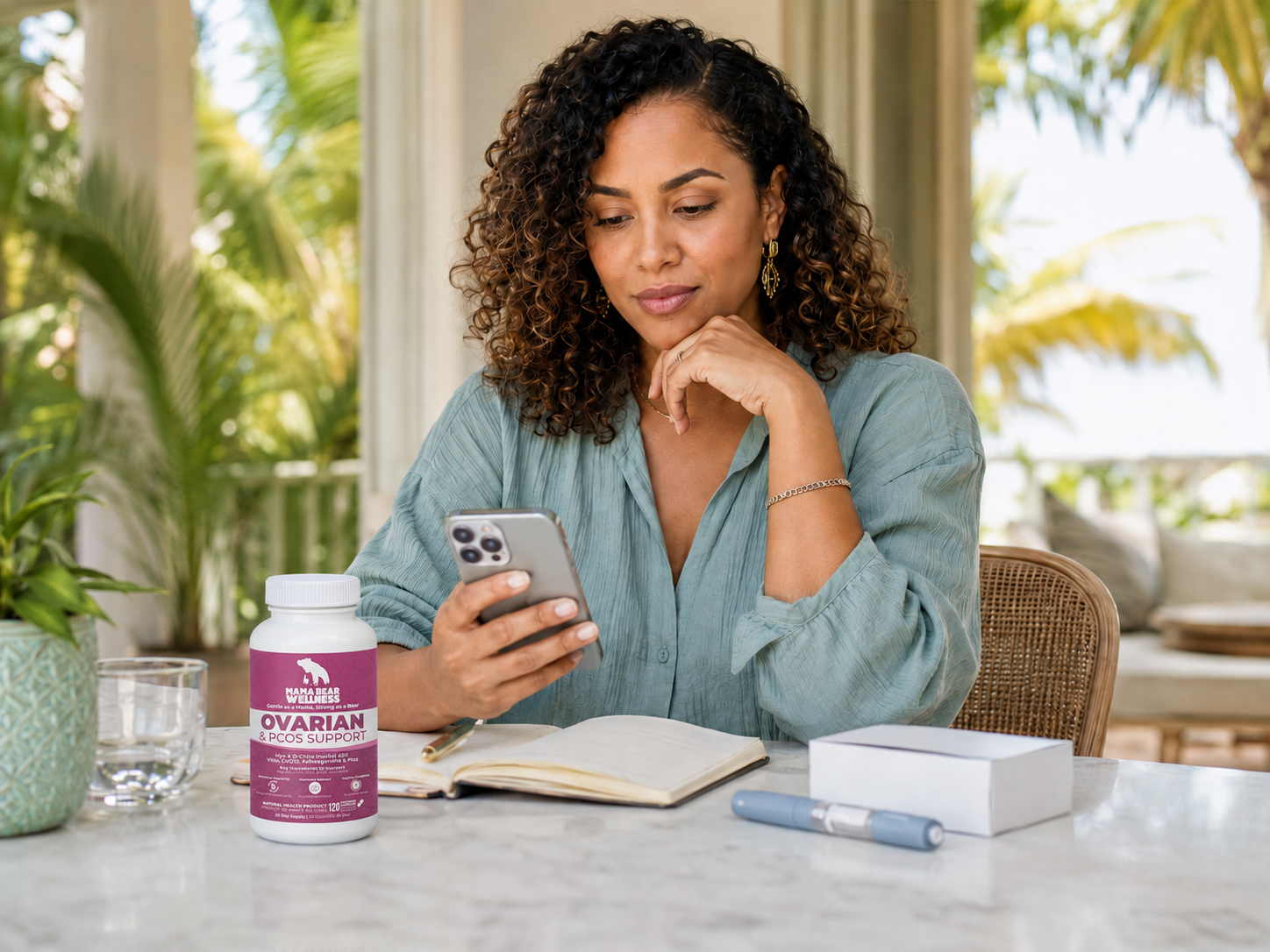
For years, women with PCOS were told some version of the same thing:
Lose weight. Eat better. Exercise more.
For many women, that advice felt frustratingly simple for a condition that is anything but simple.
Now drugs such as Ozempic, Wegovy, and Mounjaro have entered the conversation, and PCOS treatment suddenly looks very different.
The surprising part is that the story is not really about weight-loss injections.
It is about what these drugs are revealing about PCOS itself.
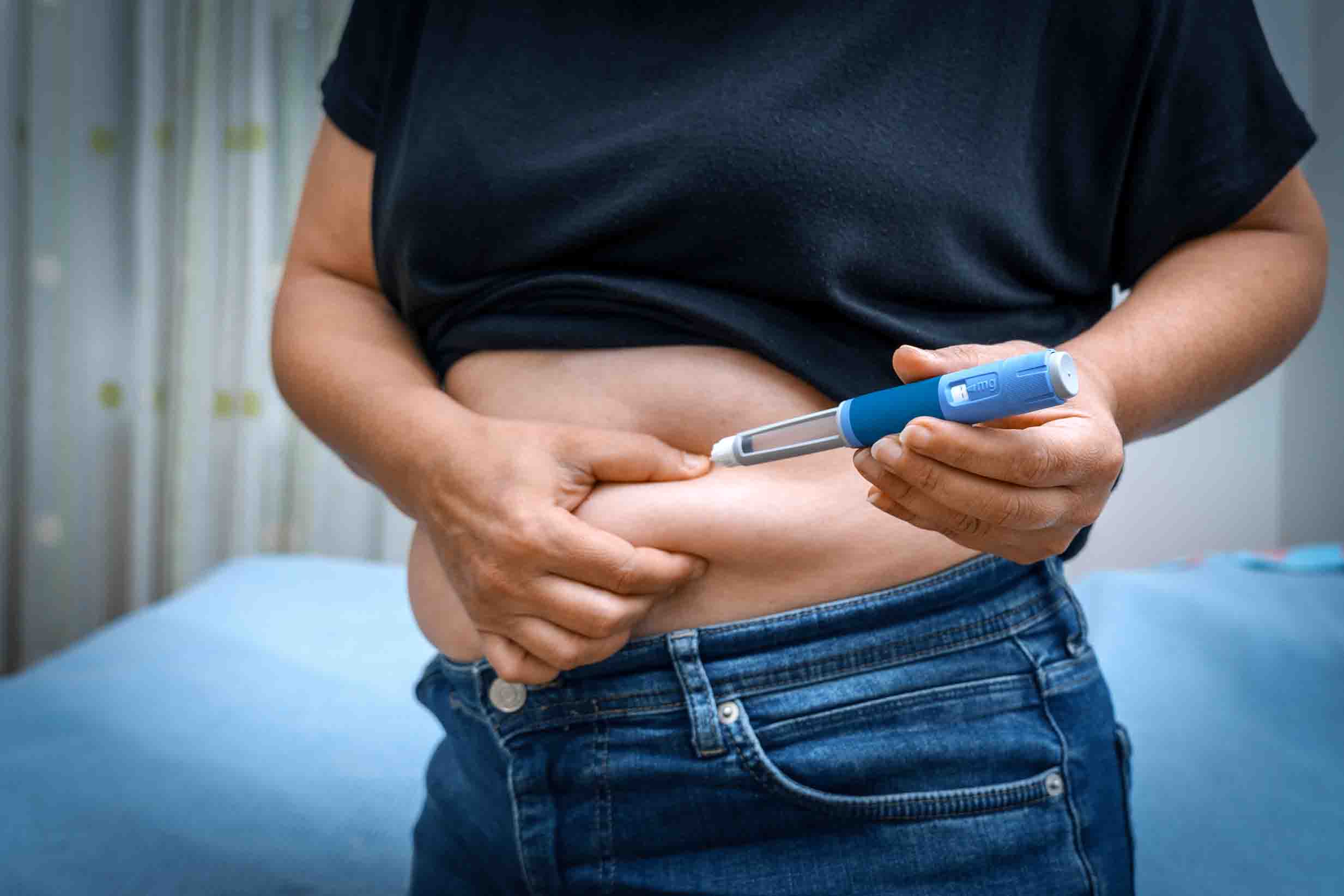
PCOS Was Never Just an Ovary Problem
PCOS is commonly associated with irregular periods, acne, facial hair, difficulty ovulating, and fertility problems.
But in January 2026, the World Health Organization described PCOS as a chronic metabolic condition, highlighting its links with insulin resistance, type 2 diabetes and obesity.
That metabolic component is a major reason GLP-1 medications have attracted so much attention.
These drugs influence appetite, blood sugar regulation and insulin signalling. For women with PCOS who also have overweight, obesity or significant metabolic problems, that can be highly relevant.
The international PCOS guideline already allows medications including GLP-1 receptor agonists to be considered for managing higher weight in adults with PCOS, alongside lifestyle intervention and according to general population guidance.
So, Does Ozempic Treat PCOS?
Here is where social media gets ahead of the science.
Ozempic is not an approved PCOS treatment.
Ozempic is a brand of semaglutide approved for type 2 diabetes. Wegovy contains semaglutide too, but is approved for chronic weight management in appropriate patients. Tirzepatide is sold as Mounjaro for diabetes and Zepbound for chronic weight management.
Doctors may sometimes prescribe these medications to women who also have PCOS because obesity and metabolic dysfunction can be part of the condition.
That is very different from saying the medication "cures PCOS."
It does not.
There is currently no cure for PCOS.
The Research Is Interesting, but Not Yet a Slam Dunk
This is where things get particularly interesting.
A major 2026 systematic review examining GLP-1 receptor agonists in women with PCOS found that they were associated with short-term weight loss in women with PCOS and overweight or obesity.
But the researchers also concluded that the evidence for broader metabolic, reproductive, and psychological benefits remains uncertain because the available research is still limited and generally low quality.
That distinction matters.
There are studies suggesting improvements in measures such as insulin resistance, testosterone levels, and reproductive outcomes.
But we are not yet at the point where every woman diagnosed with PCOS should be asking for a GLP-1 prescription.
Then There Is the "Ozempic Baby" Conversation
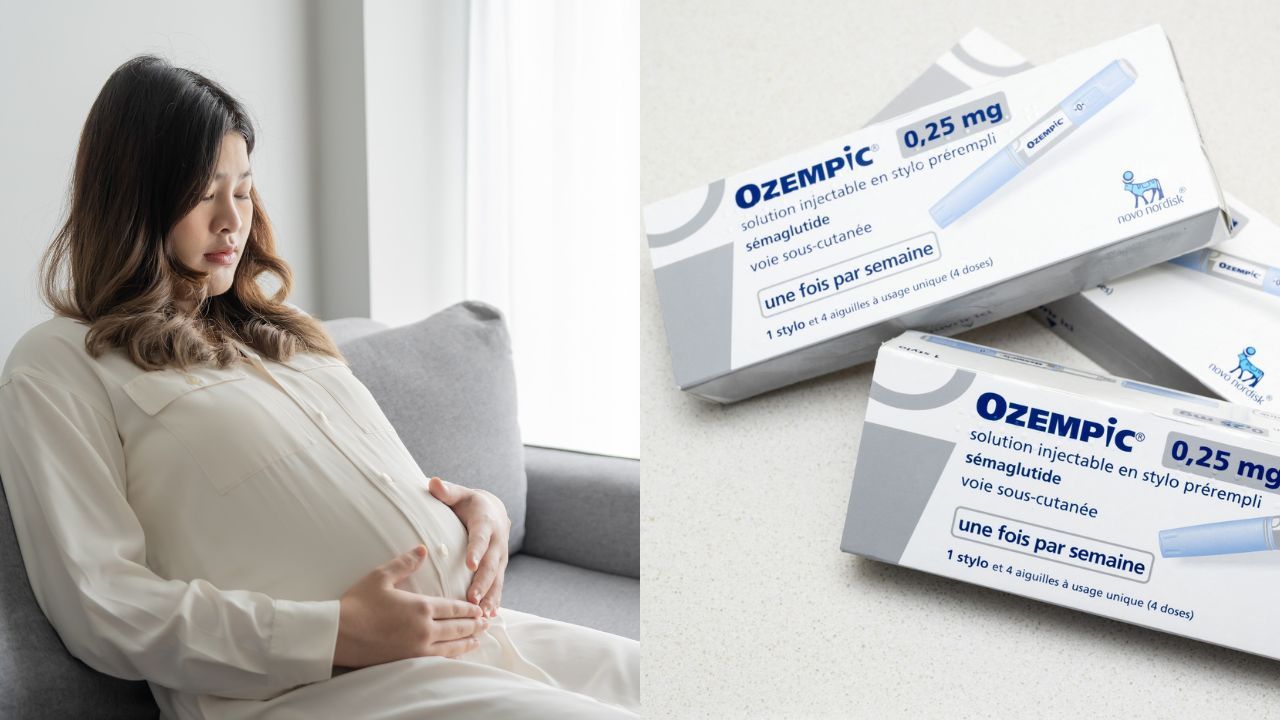
This may be the part that catches many women off guard.
Women with PCOS can have irregular ovulation. If metabolic health improves, menstrual cycles and ovulation may also become more predictable in some women.
That means a woman who previously assumed pregnancy was unlikely could potentially begin ovulating more regularly.
Researchers and doctors have therefore been paying close attention to reports of pregnancies occurring in women taking GLP-1 medications.
That does not mean Ozempic should be used as a fertility drug.
In fact, current PCOS guidance says effective contraception should be used when pregnancy is possible while taking a GLP-1 receptor agonist because pregnancy safety data are limited.
The FDA prescribing information for Wegovy also advises women to stop semaglutide at least two months before a planned pregnancy.
Current Zepbound prescribing information says tirzepatide should be discontinued when pregnancy is recognised because weight loss is not recommended during pregnancy and fetal safety data remain insufficient.
So if you have PCOS, are taking one of these medications, and do not want to become pregnant, contraception is not a minor detail.
There Is Another Catch: What Happens When You Stop?
GLP-1 drugs can produce substantial weight loss in some people.
But they are not necessarily a short-term reset button.
The international PCOS guideline specifically warns doctors and patients to discuss the possibility that long-term treatment may be needed, partly because weight regain after stopping treatment is common.
That means the question is not simply:
"Can this help me lose weight?"
It should also be:
"What is my long-term plan if I start it?"
That conversation should include nutrition, physical activity, muscle maintenance, metabolic health, and what happens if treatment is discontinued.
And These Drugs Are Not Harmless
The fact that GLP-1 medications are popular does not make them casual wellness products.
Common adverse effects include gastrointestinal problems such as nausea, vomiting, diarrhea, and constipation.
FDA information also identifies more serious potential risks associated with this drug class, including severe gastrointestinal reactions, gallbladder disease, kidney injury from dehydration, and other complications.
These are prescription medications for a reason.
They should be used with medical supervision, not borrowed from a friend or purchased because somebody on TikTok lost 30 pounds.
What Does This Mean for a Caribbean Woman With PCOS?
It means the conversation about PCOS is becoming more sophisticated.
If you have PCOS and struggle with weight, blood sugar, or insulin resistance despite making reasonable lifestyle changes, it may be worth discussing your metabolic health more seriously with your doctor.
That does not automatically mean you need Ozempic or Mounjaro.
It may mean checking:
blood glucose and HbA1c
cholesterol and triglycerides
blood pressure
weight and waist measurements
menstrual and ovulation patterns
your family history of diabetes
It also means moving away from the idea that a woman struggling with PCOS simply lacks discipline.
PCOS has hormonal and metabolic dimensions that can make weight management genuinely more complicated.
At the same time, medication does not make nutrition, exercise, sleep, and long-term lifestyle habits irrelevant.
Those pieces still matter.
Where Nutritional Support Fits
For women who are not candidates for GLP-1 medications, do not want them, or are simply looking at a broader wellness approach, there are other areas worth focusing on.
Nutrition, regular movement, strength training, sleep, and maintaining healthy blood sugar remain central parts of PCOS management.
Certain nutrients and botanical ingredients are also commonly used as complementary support for women concerned about hormonal and metabolic wellness.
Mama Bear Wellness Ovarian & PCOS Support was developed as nutritional support within that broader approach, not as a replacement for medical treatment.
Whether you use medication, supplements, or neither, the goal should be the same:
understand what is happening in your body rather than simply fighting the number on the scale.
The Bottom Line
GLP-1 drugs may end up becoming an important tool for some women with PCOS.
But the biggest lesson from the Ozempic era may be something else entirely.
PCOS was never simply about cysts, periods, or willpower.
It is a complex hormonal and metabolic condition.
And in 2026, medicine is finally starting to treat it that way.
Sources
- World Health Organization. Polycystic Ovary Syndrome. Updated January 22, 2026.
- Forslund M, et al. GLP-1 receptor agonist treatment in women with polycystic ovary syndrome: a systematic review and meta-analysis. European Journal of Endocrinology. 2026;194(3):S25-S39.
- Teede HJ, et al. Recommendations From the 2023 International Evidence-based Guideline for the Assessment and Management of Polycystic Ovary Syndrome. Journal of Clinical Endocrinology & Metabolism. 2023;108(10):2447-2469.
- U.S. Food and Drug Administration. Wegovy Prescribing Information. 2026.